
BUSINESS INFORMATION
Intellectual property
Intellectual property is a valuable business asset that should be protected.
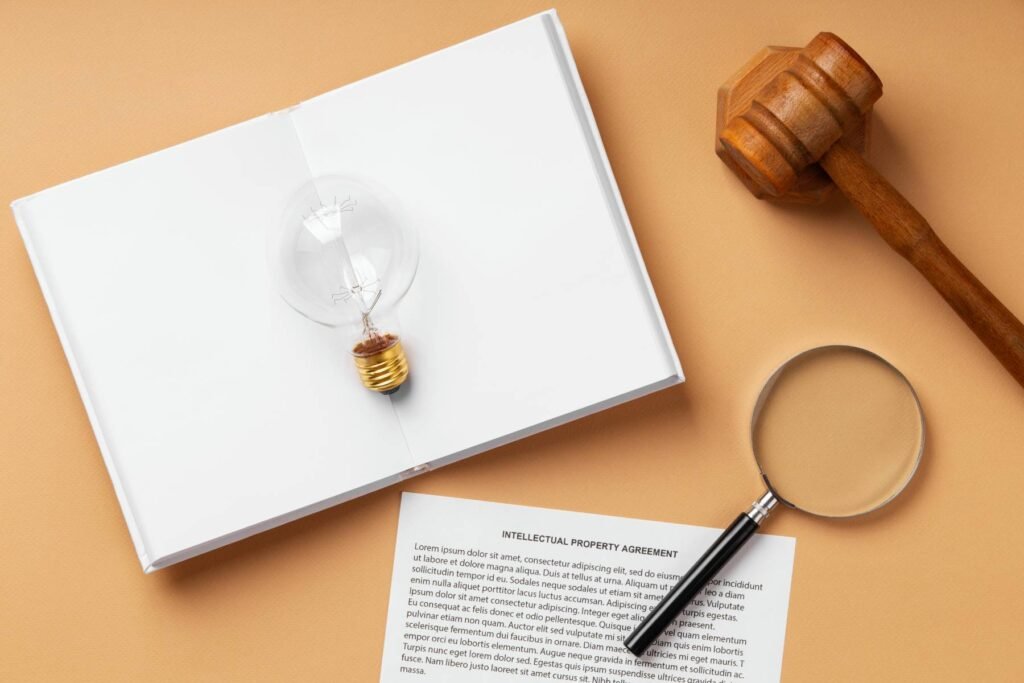
Intellectual property (IP) represents the property or creations of your mind or intellect.
Intellectual property (IP) is a critical business asset that requires protection. It refers to creations of the mind, such as inventions, designs, or ideas, which belong to their creator. To secure legal ownership, formal registration of your IP is essential.
IP protection in Australia does not automatically apply internationally. Separate applications must be filed in each country where you seek protection.
Top 5 IP tips for new businesses
Integrate IP planning into your business plan from the outset.
Registering a business name does not grant exclusive rights. A trademark is necessary to protect your brand identity.
Manage and renew your IP registrations proactively.
Sharing, selling, or demonstrating your idea before a patent application may jeopardize its registration. Use confidentiality agreements when discussing your idea with others.
IP protection is available to businesses of any size.
Types of IP protection
There are seven forms of IP protection, including plant breeder’s rights, circuit layout rights, and trade secrets. The most used are patents, trademarks, designs, and copyright. Detailed information on each type is available through IP Australia.
A patent grants exclusive rights to a new, innovative, and useful device, substance, method, or process. It allows the owner to legally enforce their rights for a specified period. Avoid disclosing your invention before applying for a patent, as this may hinder registration.
A trademark distinguishes your goods or services from others. It can include letters, numbers, words, phrases, logos, shapes, or even sounds and smells. While registration is optional, it is crucial for securing exclusive rights. Use IP Australia’ free trade mark check tool to verify availability and complete the registration process. Note that registering a business or domain name does not equate to trademark protection.
A design refers to the unique visual appearance of a product, including its shape, pattern, or ornamentation. To qualify for registration, the design must be new and distinctive. A registered design can be used commercially, licensed, or sold. Unlike patents, which focus on functionality, designs emphasize form.
Copyright is an automatic legal right granted to creators of original works, such as music, art, books, films, and online content. It applies to tangible expressions, not ideas. In Australia, copyright is managed by the Attorney-General’s Department. For further details, consult the Australian Copyright Council.
Protecting your intellectual property
Depending on your creation, multiple types of IP protection may be necessary.
Avoid disclosing your idea prematurely. Use confidentiality agreements when involving others, ensuring they are signed, dated, and witnessed.
Keep thorough records to establish ownership.
Conduct searches to ensure your idea does not resemble existing patents, trademarks and designs.
Specify IP ownership and confidentiality in employment and contractor agreements. For instance, clarify copyright ownership when hiring a photographer for website images to prevent unauthorized use.
By following these steps, you can safeguard your intellectual property effectively.
More information
- Visit the IP Australia YouTube channel and online resources
- Use IP Australia’s free TM Checker tool to see if your IP is available to be trademarked
- Find a patent or trademark attorney
DCK ENTERPRISE HELPLINE
Need more information about leasing?
Our commercial tenancy advisers at DCK Enterprise are available to address any questions or concerns.
- Call us on 00000
- Book an online or phone appointment
- Chat to us online

Other helpful resources
- Strategy and Risk

Make the most out of the Xero and learn how to use its advanced product features to get the most…

Streamline your bookkeeping procedures with Xero, a cloud based accounting software system.

This workshop will help you calculate your product pricing and explore strategies to maximise profitability.